The short answer
In the short run, a repair is almost always cheaper. Fixing a cracked pipe boot or replacing a few blown-off shingles costs a small part of what a new roof does.
Over the long run, it depends. If your roof is fairly young and the damage is in one spot, repairing it is the better deal. If the roof is near the end of its life, or leaks keep popping up in new places, you can end up paying for repair after repair on a roof that needs replacing anyway. At that point, a new roof is the cheaper choice.
When a repair is the better deal
A repair usually makes sense when:
- The roof is under about 15 years old. Shingles still have years of life left, so fixing them is worth it.
- The damage is in one area. A single leak around a vent, a few missing shingles after a windstorm or one bad piece of flashing are classic repairs.
- The shingles around the damage are healthy. If they're still flexible and hold their gritty coating, new shingles will blend in and last.
- The decking is solid. If the wood under the shingles isn't soft or rotted, the repair stays small.
Some of the most common repairs we do in Angleton are small and quick: replacing cracked rubber pipe boots, re-sealing flashing at walls and chimneys, and replacing shingles lifted by wind. Our roof repair page goes through these in more detail.
When replacing is cheaper in the long run
A new roof usually makes more sense when:
- The roof is around 20 years old or more. Even a careful repair won't stop the rest of the roof from wearing out.
- Leaks keep coming back in new spots. That's a sign the whole roof is failing, not one part.
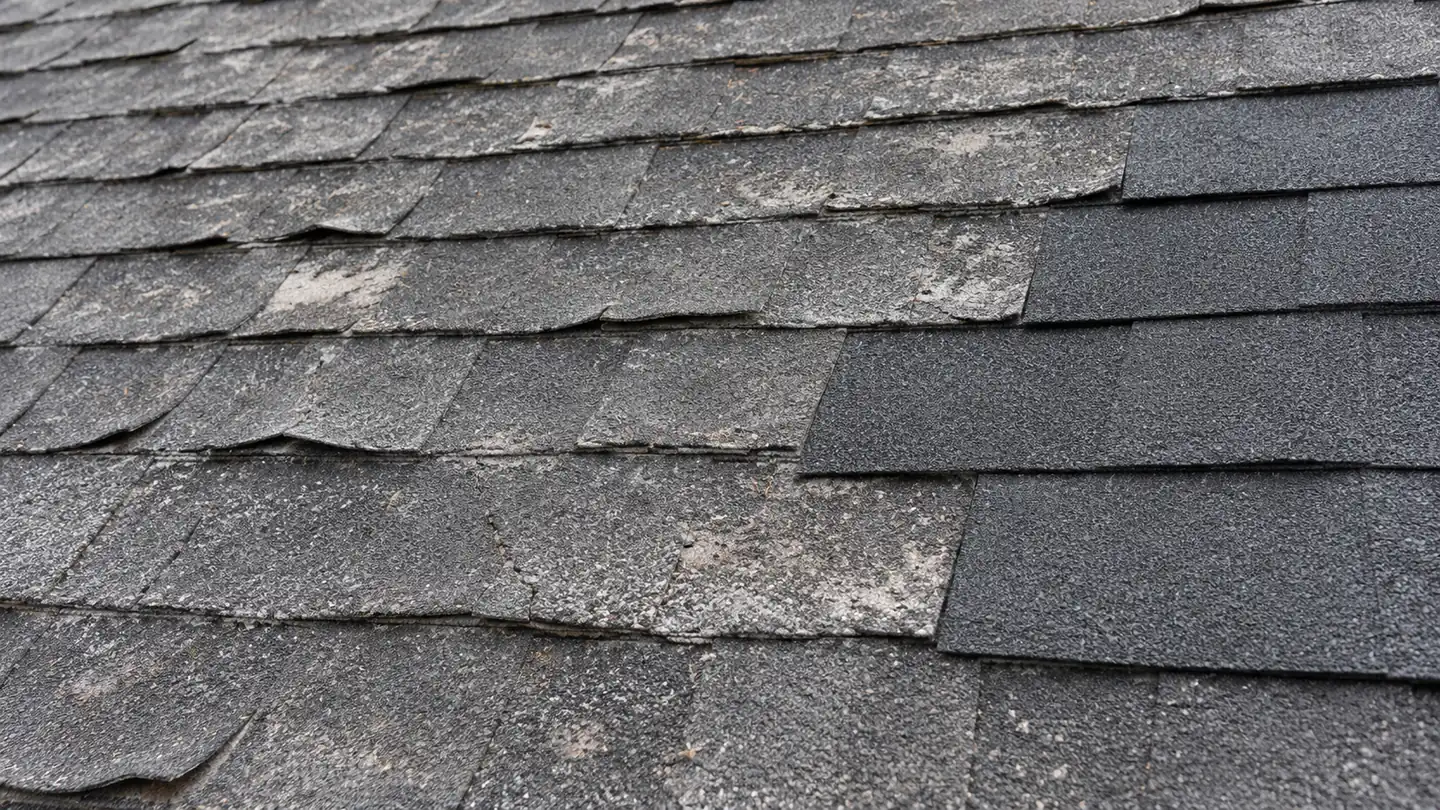
- Shingles are curling, cracking or bald all over. When most of the grit has washed off, the shingles can't protect the roof from the sun anymore.
- Storm or hail damage covers several slopes. Patching half the roof costs more and looks worse than replacing it.
- The decking is soft in more than one place. Water has been getting in for a while.
How Angleton's weather changes the math
Roofs here work harder than in most of the country. Strong sun nearly all year bakes the shingles, high humidity keeps them damp, hail comes through in the spring, and tropical storms can show up any time from June through November. Because of that, asphalt shingle roofs in the Angleton area often last about 15 to 20 years, even when the shingles carry a "30-year" label.
Big storms speed things up. When Hurricane Beryl came ashore in July 2024, gusts hit 94 mph in Freeport and the City of Angleton hauled away nearly 100,000 cubic yards of tree debris. Many roofs that came through without a leak still have creased shingles and loosened edges that will fail sooner than they would have.
So when you're weighing a repair, be honest about how many good years the roof really has left. If the answer is "not many," the money you spend on repairs now may be better put toward a new roof.
A simple rule of thumb
Many roofers use a rough rule: if a repair would cost more than about a quarter to a third of what a new roof would, or the roof has used up most of its expected life, start looking at replacement. It's not a hard line, but it helps you avoid pouring money into a roof that's on its way out.
| Your situation | Usually the better choice |
|---|---|
| Roof under 15 years, damage in one spot | Repair |
| Roof 15 to 20 years, first leak, shingles still healthy | Repair, then plan ahead |
| Roof 15 to 20 years, several leaks or worn shingles | Get an inspection; replacement is likely |
| Roof 20+ years, any widespread wear | Replace |
| Hail or wind damage on most slopes | Replace, and check your insurance |
Don't forget the WPI-8
All of Brazoria County is in the Texas windstorm area. If your home has or may need wind coverage through the Texas Windstorm Insurance Association (TWIA), roof work has to meet the windstorm building code.
The Texas Department of Insurance says roof repairs of less than 100 square feet that don't involve decking usually don't need an inspection. Bigger repairs and full replacements usually do, and the inspection has to happen while the work is being done. That doesn't make a new roof a bad idea, but it's part of the plan. Our page on WPI-8 windstorm roof replacement explains how it works.
What about insurance?
If a storm or hail caused the damage, insurance may cover part or all of a repair or replacement. Insurance generally covers sudden storm damage, not normal wear from age. Some policies pay the full cost to replace the roof, while others pay only its current value, which drops as the roof gets older.
One thing to watch for: Texas law makes it illegal for a contractor to offer to waive or pay your deductible. If someone offers to "take care of" your deductible, that's a red flag. Learn more on our insurance claim help page.
Questions to ask before you decide
- How old is the roof, and how many good years does it really have left?
- Is the damage in one spot, or spread across the roof?
- Is the decking solid where the leak is?
- How many repairs have you paid for in the last few years?
- How long do you plan to stay in the home?
- Was the damage caused by a storm, and have you checked your insurance?
- Does the home have a WPI-8, and will this work need a windstorm inspection?
The bottom line
If your roof is young and the problem is small, repair it. If it's old, worn out or damaged all over, a new roof will usually save you money and stress over the next decade. If you're stuck in between, a roof inspection is the quickest way to get a straight answer, and if it's time, our roof replacement page walks through what to expect.